
The Rise of Forex Trading in Cambodia
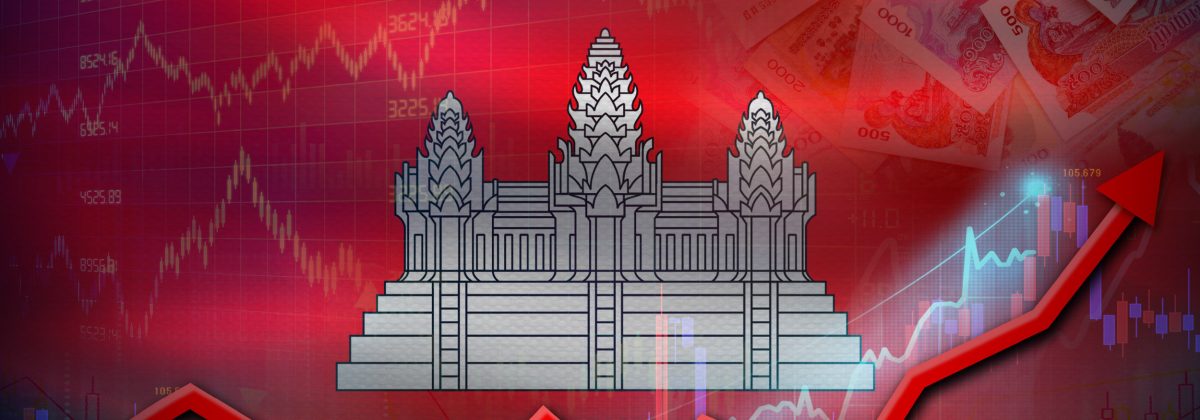
Traditionally, investors in Cambodia preferred to put their money in real estate or gold. But forex trading chatter has been rising in the coffee shops and social media channels in recent years. This is crucial evidence of the rising popularity of the FX market among retail investors in the country. People are looking for new ways to make their money work for them, and the forex market seems an attractive option for Cambodians.
Is Forex Trading Legal in Cambodia?
The history of money in Cambodia is very interesting. The country passed the Law on Foreign Exchange in 1997. This law allowed people to deal with foreign money through authorised intermediaries. However, for many years, there were no clear rules for regular people who wanted to trade online.
Everything changed around 2016 and 2017. The Securities and Exchange Regulator of Cambodia (SERC, formerly called the SECC) began to give out licenses, mainly to derivative brokers. This was a big step. It meant that companies could legally help people trade FX in the country.
Today, if you want to participate in forex trading, you must check if your forex broker has a license from the SERC. This keeps your money safe and ensures the company follows the law.
The years 2024 and 2025 have seen a huge jump in trading activity. The Cambodian economy is growing well, with GDP growth of 6% in 2024. The IMF estimates that the economy grew around 4.8%-5.0%in 2025, with projections of4.0%-5.0%GDP growth for 2026. This growth means people have extra cash to invest.
While the local stock market (CSX) is still small, the forex market is huge. As of the end of 2024, there were 58,394 active trading accounts registered with the Cambodia Securities Exchange (CSX). More young people are joining the market than ever before. Another big change is the use of digital payments. Systems like Bakong make it very easy to move money from a bank to a trading account, which is likely to ease entry into the markets.
Factors Driving Popularity in Cambodia
Four main factors are driving the rise of forex trading in the country.
- Internet and Smartphones
Almost everyone in Cambodia has a smartphone today, with 25.3 million cellular mobile connections active in early 2025. You can download a trading app and see the global markets in seconds. You no longer need to sit in a big office to be a trader.
- The Youth Population
Cambodia has a very young population, with 65.3% of the people below the age of 30. Now, young people are tech-savvy, and they like the idea of working from home. They see forex as a way to be their own boss.
- Market Flexibility
The forex market is open 24 hours a day, five days a week. This is great for people who have a day job. You can work in an office during the day and trade at night.
- Low Starting Costs
You do not need a million dollars to start forex trading. Many brokers allow you to open an account with a small amount of money. This makes it accessible to the average person.
Choosing the Right Forex Broker
To start your forex trading journey the right way, the first step is to find a regulated forex broker. Since SERC is still in the process of developing a regulatory framework for the FX market, check for licenses from well-known regulators. For instance, a broker licensed to offer services in the UK and US are likely following stringent regulatory protocols.
Apart from the license, check which trading platforms they offer. Popular platforms, like MT4 and MT5, come loaded with trading tools for informed decision-making. A good broker will also offer you rich educational resources, along with easy deposits and withdrawals.
Trading Forex in Cambodia
Trading forex might be exciting, but it also carries risks. The market can be volatile at times, which it essential for beginners in Cambodia to:
- Start with a Demo Account: This is a great way to practice without using real cash. Familiarise yourself with the trading platform, FX market and your own trading psyche before entering the live markets.
- Learn the Basics: Take your time to l earn all about pips, leverage, and spreads, and more. Understand why the currency pair you choose to trade goes up or down.
- Manage Your Risk: Never trade money that you need for rent or food. Only use money that you can afford to lose. A common rule is to never risk more than 1% of your total money on a single trade. Use stop-loss and take profit orders to limit risks.
- Follow the News: Forex prices change due to world news. If the US economy is doing well, the dollar might get stronger. Stay updated with financial news apps.
- Keep it Simple: You do not need a complex strategy. Many successful traders use simple support and resistance levels.
With the right knowledge and a licensed forex broker, you can gain confidence to trade FX in Cambodia.
To Sum Up
- Although forex trading is legal in Cambodia, it has only gained popularity in recent times.
- The SERC oversees the forex market but is still in the process of developing a comprehensive regulatory framework.
- Rising internet and smartphone penetration, the large youth population, the flexibility of the forex market and low starting costs make FX trading popular in Cambodia.
- Choose a regulated broker that offers powerful trading platforms and rich educational resources.
- Practice on a demo account, learn all about the market, manage risks, stay updated on world news and use a simple trading strategy to start.
Disclaimer:
All data, information and materials are published and provided “as is” solely for informational purposes only, and is not intended nor should be considered, in any way, as investment advice, recommendations, and/or suggestions for performing any actions with financial instruments. The information and opinions presented do not take into account any particular individual’s investment objectives, financial situation or needs, and hence does not constitute as an advice or a recommendation with respect to any investment product. All investors should seek advice from certified financial advisors based on their unique situation before making any investment decisions in accordance to their personal risk appetite. Blackwell Global endeavours to ensure that the information provided is complete and correct, but make no representation as to the actuality, accuracy or completeness of the information. Information, data and opinions may change without notice and Blackwell Global is not obliged to update on the changes. The opinions and views expressed are solely those of the authors and analysts and do not necessarily represent that of Blackwell Global or its management, shareholders, and affiliates. Any projections or views of the market provided may not prove to be accurate. Past performance is not necessarily an indicative of future performance. Blackwell Global assumes no liability for any loss arising directly or indirectly from use of or reliance on such information here in contained. Reproduction of this information, in whole or in part, is not permitted.