
The Pull and Push on the Thai Baht in 2026
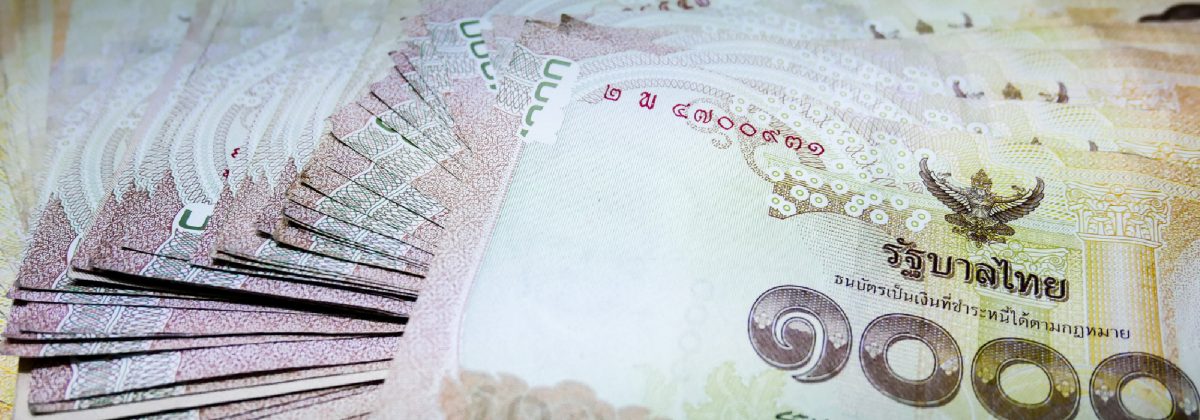
The Thai baht (THB) surged 9.41% against the US dollar through 2025, following right behind the Malaysian ringgit, which was 10% up. The uptick made the THB one of the most-watched Asian currencies among forex traders. After the rapid appreciation through Q4 2025, the Bank of Thailand (BoT) emphasised the need to curb the strength of the currency, since it was weighing on Thailand’s economy. This tug-of-war between capital inflows and internal attempts to limit a currency’s strength heighten volatility, creating opportunities for forex traders. Decoding this complex push-and-pull dynamic can offer insight into trading strategies for exploring opportunities in the USD/THB.
Central Bank Worries as THB Appreciates
A rapid surge in the THB threatens Thailand’s export and tourism sectors. While tourism contributes between 12% and 20% toward the country’s GDP, exports account for nearly 60% of. The BoT, therefore, issued an “urgent” notice to the government to intervene as the country’s currency was appreciating “too fast” as compared to its neighbours.
BoT’s Actions to Curb the THB Rally
By January 2026, the BoT transitioned from verbal warnings to actively limiting the baht’s gains through concrete measures. The central bank tightened oversight on gold-related trades. This is because as gold prices surged, Thai traders sold the precious metal and converted the earned USD into THB. This created upward pressure on the currency. The BoT also plans to enforce a daily limit of ฿50 million for all online gold transactions. It also plans to prevent “grey money” and massive speculative inflows. Next, the BoT lowered benchmark rates by 25 basis points to reduce the attractiveness of the currency, in an attempt to clip the wings of its surge.
Economic Growth and Competitiveness
While a strong currency sounds positive, for Thailand, this uncovered structural weaknesses in the economy. The BoT recently lowered its GDP forecast and expects the economy to grow by only 1.5% in 2026. According to the BoT, Thailand’s economic competitiveness is declining. High production costs and an aging workforce make Thai exports less attractive. An expensive baht further weighs on exports. The tourism sector also bears the brunt of a strong baht, as visitors spend fewer days holidaying in the land of smiles.
Political Risks and Election Fever
Prime Minister Anutin Charnvirakul publicly criticised the BoT for not trimming rates fast enough. PM Charnvirakul and the conservatives winning the February snap election sent both Thai stocks and the THB surging. Politics will remain a major factor in the baht’s performance in 2026. Elections often bring volatility to the local stock and bond markets. Whoever wins, the government often wants lower rates to spur growth, while the BoT focuses on price stability and curbing household debt. Lowering rates too fast could lead to an inflation spike in the country.
What are Forex Traders Watching to Trade the USD/THB
Traders looking at the THB in 2026 need to monitor the following:
BoT Intervention Levels
Historically, the BoT is known to be sensitive to baht surges. While the central bank usually sticks to verbal intervention, there are several signs of active measures in 2026. These measures may lead to a steep decline in the currency.
Tourism Data
Monthly data on tourist arrivals and spending provide a real-time look at foreign currency inflows. These help forex traders understand the demand dynamics for the THB.
The US Dollar Index (DXY)
Like all emerging market currencies, the baht is heavily influenced by the strength of the US dollar. If the Fed stays hawkish for longer, the baht may weaken.
Gold Trading Volume
Thailand is a major regional hub for gold trading, and there’s often a strong correlation between gold price movements and baht volatility.
Trading Strategies for the USD/THB
Trading the Thai baht requires a focus on both technical and fundamental factors.
BoT Interventions
If the baht appreciates too rapidly, the BoT steps in. This leads to a reversal in the currency’s direction. Using RSI to determine overbought levels can offer early insights into the impact of potential interventions, and traders may short-sell to take advantage of BoT moves.
Range Trading on GDP Revisions
Historically, the baht moves in a range based on economic forecasts. When the BoT lowers GDP forecasts, the currency weakens, and when trade numbers are released, traders get enthusiastic about the currency. Experienced traders tend to identify the top and bottom of a recent 30-day range. They sell near the resistance and buy near the support, expecting the currency to stay within a managed band.
Trade War Impact
The USD/THB is sensitive to trade tensions between the US and China. While historically, active tensions between the two largest economies weighed on the baht, the scenario has changed in recent times. Thailand has become a beneficiary of supply chain relocation, as Chinese companies are investing heavily in Thailand to avoid US tariffs. This can potentially boost demand for the baht. But global trade conflicts and supply chain bottlenecks could induce volatility, weighing on the currency.
To Sum Up
- The THB rose 9.41% against the USD, alerting the Bank of Thailand to potential economic risks.
- The BoT has intervened to curb baht strength and to protect the export and tourism sectors.
- The BoT enforced a ฿50 million limit on online gold trades to prevent speculative positions.
- The central bank also cut the country’s 2026 growth forecast to 1.5%, due to declining competitiveness.
- Election outcomes can have a strong impact on USD/THB volatility.
Disclaimer:
All data, information and materials are published and provided “as is” solely for informational
purposes only, and is not intended nor should be considered, in any way, as investment advice, recommendations, and/or suggestions for performing any actions with financial instruments. The information and opinions presented do not take into account any particular individual’s investment objectives, financial situation or needs, and hence does not constitute as an advice or a recommendation with respect to any investment product. All investors should seek advice from certified financial advisors based on their unique situation before making any investment decisions in accordance to their personal risk appetite. Blackwell Global endeavours to ensure that the information provided is complete and correct, but make no representation as to the actuality, accuracy or completeness of the information. Information, data and opinions may change without notice and Blackwell Global is not obliged to update on the changes. The opinions and views expressed are solely those of the authors and analysts and do not necessarily represent that of Blackwell Global or its management, shareholders, and affiliates. Any projections or views of the market provided may not prove to be accurate. Past performance is not necessarily an indicative of future performance. Blackwell Global assumes no liability for any loss arising directly or indirectly from use of or reliance on such information herein contained. Reproduction of this information, in whole or in part, is not permitted.