


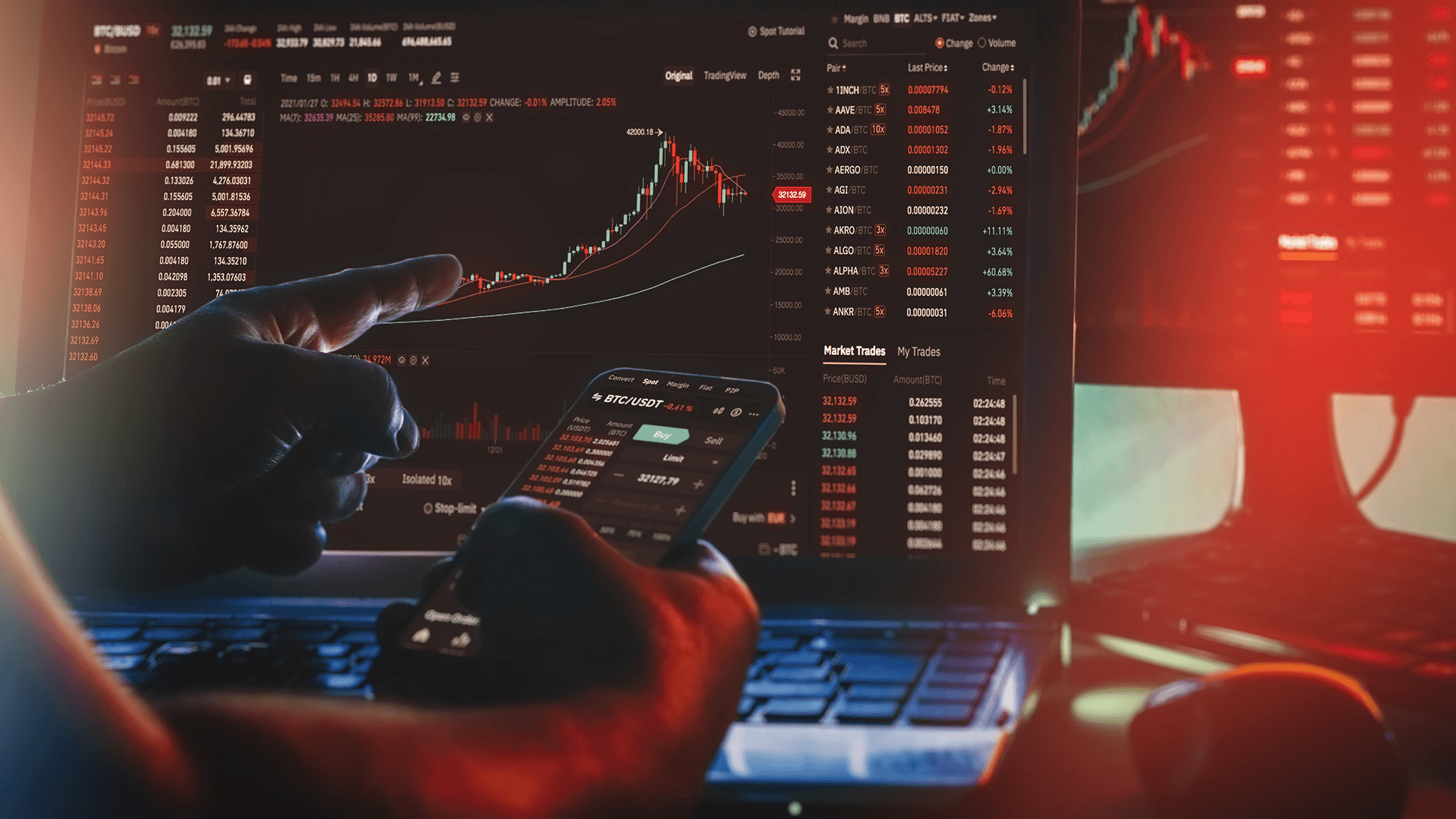
Before you can start your journey as a trader, you need to know how to identify trading opportunities. Plus, you must determine where to enter and when to exit. All of this requires market analysis. This is where technical analysis and indicators come into the picture. Technical analysis studies past market data like price, volume, and chart patterns to forecast future price moves of securities like stocks, currencies, and commodities. Popular indicators, like moving averages and relative strength index, are used for such analysis.
Now, there are two basic types of technical indicators – leading and lagging. Understanding the difference between them is like knowing the difference between a weather forecast and a rain gauge. One tells you it might rain soon, while the other confirms that it is currently raining.
What are Leading Indicators?
Leading indicators are designed to predict future price trends. They are like an early warning system. Traders use them to try and anticipate a change in the market before it actually happens.
Why are they important for traders?
The main goal of using a leading indicator is to get into a trade early. If an indicator suggests that a stock is about to start rising, a trader can buy at a low price and ride the wave up. These tools generate trading signals that tell a trader when a market might be overbought (meaning the price is too high and might drop) or oversold (meaning the price is too low and might rise).
However, leading indicators come with a risk. Since they are predictive, they can sometimes give false signals. This happens when the indicator predicts a change, but the market continues in the same direction anyway.
Let’s understand leading indicators with an example. The Relative Strength Index (RSI) is one of the most popular leading indicators. Its readings range on a scale from 0 to 100. So, imagine you are watching a tech stock. The price has been climbing for days. You then look at the RSI and see it has moved above 70. When the RSI moves above 70 usually means the stock is overbought. This tells you that the buyers are getting tired. You might see this as a signal to sell or avoid buying, predicting that the price will soon drop.
What are Lagging Indicators?
While leading indicators look forward, lagging indicators look backward. They follow the price action and only give a signal after a trend has already started. That’s why they are often called trend-following indicators.
Why are they important for traders?
You might wonder why anyone would want an indicator that only gives you information after the fact. The value of a lagging indicator is confirmation. While leading indicators can be wrong, lagging indicators are much more reliable because they are based on actual data that has already happened.
Traders use them to make sure they aren’t jumping into a false move. It also helps them stay on the right side of a long-term trend. So, if a leading indicator signals a bullish trend, a lagging indicator can be used to confirm the signal.
Moving averages are a classic lagging indicator. It takes the average price of an asset over a specific number of days (like 50 or 200 days) and plots it as a smooth line on a chart. So, let’s say thestock of Company ABC has been in a slump for months, but suddenly the price starts to tick upwards. A cautious trader might not buy immediately because it could be a temporary rise before the price returns to moving down. Instead, they wait for a moving average crossover to form, or the short-term average line crossing above the long-term average line on the price chart.
This crossover only happens after the price has already been rising for a while. By the time the signal appears, the trader has high-quality evidence that a new upward trend is officially here.
Leading vs. Lagging: Why You Need Both
Experienced traders rarely rely on just one type of indicator. If you only use leading indicators, you might lose money on false signals. And if you only use lagging indicators, you might enter trades too late and miss out on the biggest profits.
The best strategy is often to use them together. For example, a trader might see a trading signal from a leading indicator (like the RSI) and then wait for a lagging indicator (like a moving average) to confirm it before they actually invest their money.
By combining these indicators, you balance the early benefits of leading tools with the safety benefits of lagging tools. This helps you build a clearer picture of current and future price trends.
Summary
- Leading Indicators act like a forecast; they try to predict where the price will go next so you can enter trades early.
- Lagging Indicators act like a report card; they confirm that a trend is actually happening by looking at past data.
- Leading indicatorsare popular for finding turning points, but can give false signals if the market is too volatile.
- Lagging indicatorsare used for following long trends and providing confirmation for leading signals.
- Experienced tradersuse a mix of both to reduce risk and increase the accuracy of their market entries and exits.
Frequently Asked Questions:
1. What are leading indicators in trading? Leading indicators are tools that attempt to predict future price movements and help traders identify potential entry points early.
2. What are lagging indicators? Lagging indicators confirm trends after they have started, providing more reliable signals based on actual price data.
3. Which is better: leading or lagging indicators? Neither is better alone; leading indicators provide early signals, while lagging indicators confirm them. Using both together is most effective.
4. What are examples of leading and lagging indicators? RSI is a common leading indicator, while moving averages are widely used lagging indicators.
Disclaimer:
All information is provided for general informational purposes only and does not constitute investment advice or a recommendation. It does not consider your individual financial situation or objectives. You should seek independent financial advice before making any investment decisions.
While efforts are made to ensure accuracy, no guarantee is given regarding completeness or reliability, and information may change without notice. Past performance is not indicative of future results. Blackwell Global accepts no liability for any losses arising from reliance on this information.