
From “Oh No” to “This is Fine”: Trading Market Sentiment
CNBC’s Jim Cramer highlighted that the market momentum early in January 2026 was driven by emotion, and that participants must learn to distinguish between “momentum and durability.” That’s the impact of market sentiment, it is a powerful force that can define market direction, but the impact tends to be short-lived. Cramer emphasised that such trends are common, especially around worldwide celebrations, such as the New Year or Black Friday. Traders often act on past fundamentals, without considering the current situation. While such trends can overwhelm the market, they have a short lifespan. Understanding the drivers of market sentiment and having a robust trading strategy can help you make more informed trading decisions.
What is Market Sentiment?
Market sentiment is the general attitude of market participants towards specific equities, forex pairs, indices, commodities, or even cryptocurrencies. It is driven by crowd psychology, which may not have a solid technical foundation. Scalpers, day traders, and contrarian traders who explore short-term price moves must deeply understand sentiment signals to capture trading opportunities.
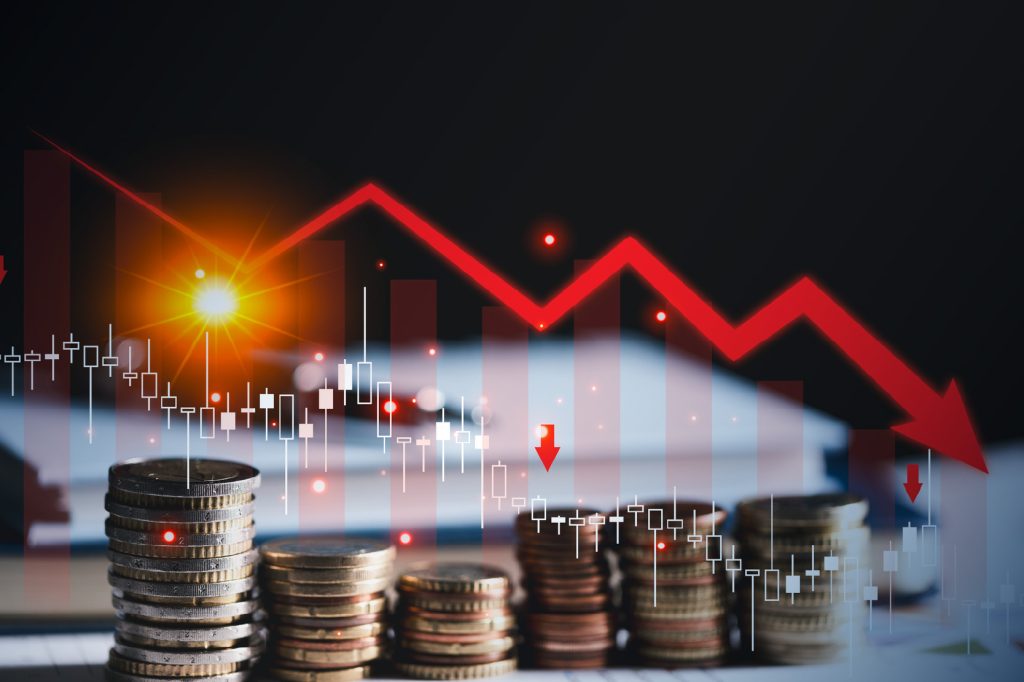
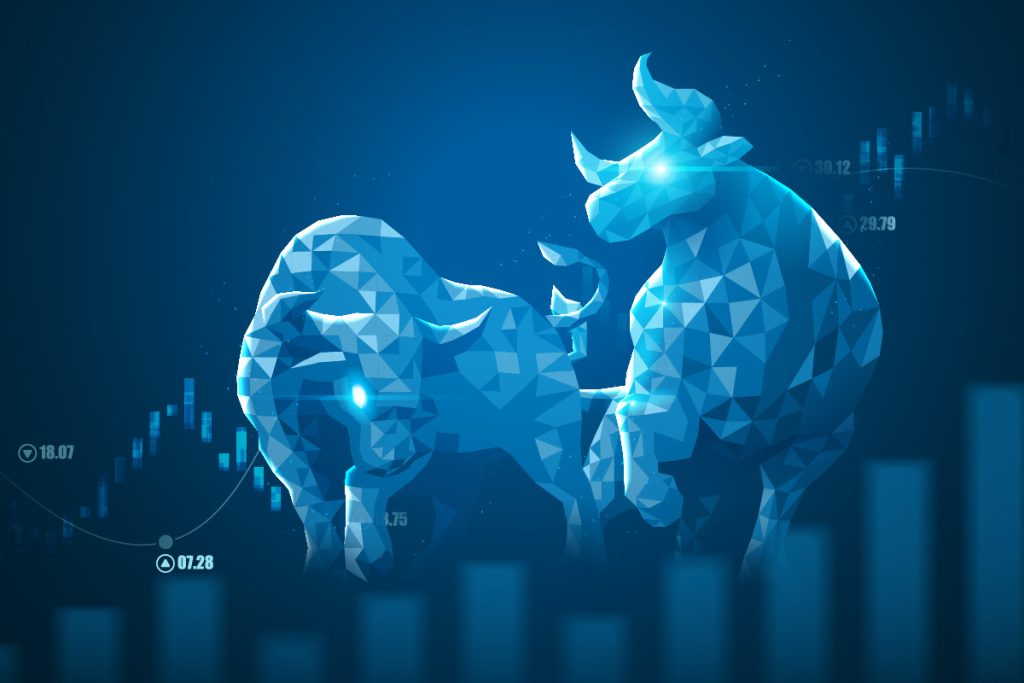
Bullish sentiment towards an asset drives the price up, while bearish sentiment weighs on it. Beginner traders often consider every “oh no” in the markets a sell signal. However, it is crucial to have a trading strategy where you can reach a “this is fine,” even when the market is flooded with sentiment-driven moves. This can be achieved when trading decisions are backed by fundamental and technical analysis.
What Moves Market Sentiment
Several factors influence how the market “feels” about an asset. Economic reports on growth and jobs lay the foundation, with strong numbers building confidence and weak ones evoking fear. Central bank interest rates also impact market sentiment. Monetary easing usually sparks excitement and tightening dampens the mood. Similarly, corporate earnings can shift market sentiment toward an entire industry.
Beyond the numbers, news and social media act like an amplifier, turning small rumours into major hype. Global events, such as political shifts or international conflicts, create uncertainty, which may trigger panic-selling.
Gauging Market Sentiment
Several market-based indicators can be used to determine how the masses feel.
CBOE Volatility Index (VIX)
VIX is also called the fear index. It measures the expected 30-day volatility of the S&P 500 index. High VIX values may indicate rising fear and an expectation of market instability, while low values are considered a signal of complacency. For instance, before the 2024 US elections, the VIX surged 14%.
Fear & Greed Index
The US and UK have different versions of the Fear and Greed Index. Some traders use CNN’s fear and greed index for the US markets and MacroMicro’s insights for the UK markets. These indices aggregate several underlying indicators, such as volatility, stock price momentum and safe haven demand, to assign a fear/greed score.
Commitment of Traders (COT) Report
The Commodity Futures Trading Commission (CFTC) publishes the COT report every week, detailing the net long and short positions of large institutional traders in the futures and options markets. This provides insights into “smart money” sentiment.
Technical Indicators
Technical indicators, such as moving averages and RSI, also reveal broader market sentiment. Moving averages use a percentage of stocks above their 200-day moving average, while RSI helps identify overbought or oversold market conditions, which reflect sentiment extremes.
Investor Surveys
Organisations, like the American Association of Individual Investors (AAII), conduct weekly surveys to directly ask participants about their market outlook (bullish, bearish or neutral). This gives insight into what people are feeling, but not how they may act. This is because a large section among them waits for market signals instead of just acting on intuition.
Trading the “This is Fine” Sentiment
One of the ways to trade market sentiment is by considering it a contrarian indicator. The logic behind this is: when everyone has already bought, there is no one left to drive the price higher.
This means that when a sentiment hits an extreme, such as 95% bullish, the market tops out. Conversely, when negative news hits, and sentiment is 90% bearish, the market may just run out of sellers. This is the moment to adopt the “this is fine” stance and look for potential buying opportunities while others are fleeing.
Building a Sentiment Strategy
Here’s an outline for building a market sentiment-based trading strategy:
Identify the Extreme
Determine market sentiment and gauge the direction in which traders might be heavily skewed. In bullish markets, traders would prefer to buy and vice versa.
Look for Divergence
In an emotion-driven downtrend, if the price is making new lows but sentiment is starting to shift toward the bullish side, the downward momentum may be running out of steam. This means the trend may reverse soon.
Confirm with Technical Indicators
This is the most crucial step. If market sentiment signals going long, it is better to wait for a technical confirmation. This happens when the price chart shows a bullish engulfing candlestick pattern or an RSI divergence. These are the points to time your entry.
Remember to manage risk associated with your positions using stop loss and take profit limits. Also, practice limiting your risk-per-trade. For instance, experienced traders risk only 1% to 2% of their total trading capital per trade.
The key is to determine when the “trading herd” is acting on emotion, and ensure that you take positions rationally. When the markets scream “oh no,” your ability to look at the data and decide that “this is fine” can grant you an edge.
To Sum Up
- Market sentiment defines the collective emotional attitude of traders.
- Tools, such as VIX, COT and Fear/Greed indices, can help determine market sentiment.
- Trading reversals on extremes is a popular trading strategy.
- Watch for sentiment shifts that contradict current price action and confirm with technical indicators.
- Stick to your trading plan and risk limits while entering the markets.
Disclaimer:
All data, information and materials are published and provided “as is” solely for informational purposes only, and is not intended nor should be considered, in any way, as investment advice, recommendations, and/or suggestions for performing any actions with financial instruments. The information and opinions presented do not take into account any particular individual’s investment objectives, financial situation or needs, and hence does not constitute as an advice or a recommendation with respect to any investment product. All investors should seek advice from certified financial advisors based on their unique situation before making any investment decisions in accordance to their personal risk appetite. Blackwell Global endeavours to ensure that the information provided is complete and correct, but make no representation as to the actuality, accuracy or completeness of the information. Information, data and opinions may change without notice and Blackwell Global is not obliged to update on the changes. The opinions and views expressed are solely those of the authors and analysts and do not necessarily represent that of Blackwell Global or its management, shareholders, and affiliates. Any projections or views of the market provided may not prove to be accurate. Past performance is not necessarily an indicative of future performance. Blackwell Global assumes no liability for any loss arising directly or indirectly from use of or reliance on such information here in contained. Reproduction of this information, in whole or in part, is not permitted.